Back and neck, explained.
The Bavelu blog: articles on neck and back pain, sitting and exercise for people who work at a desk. Every number links to the study it comes from.
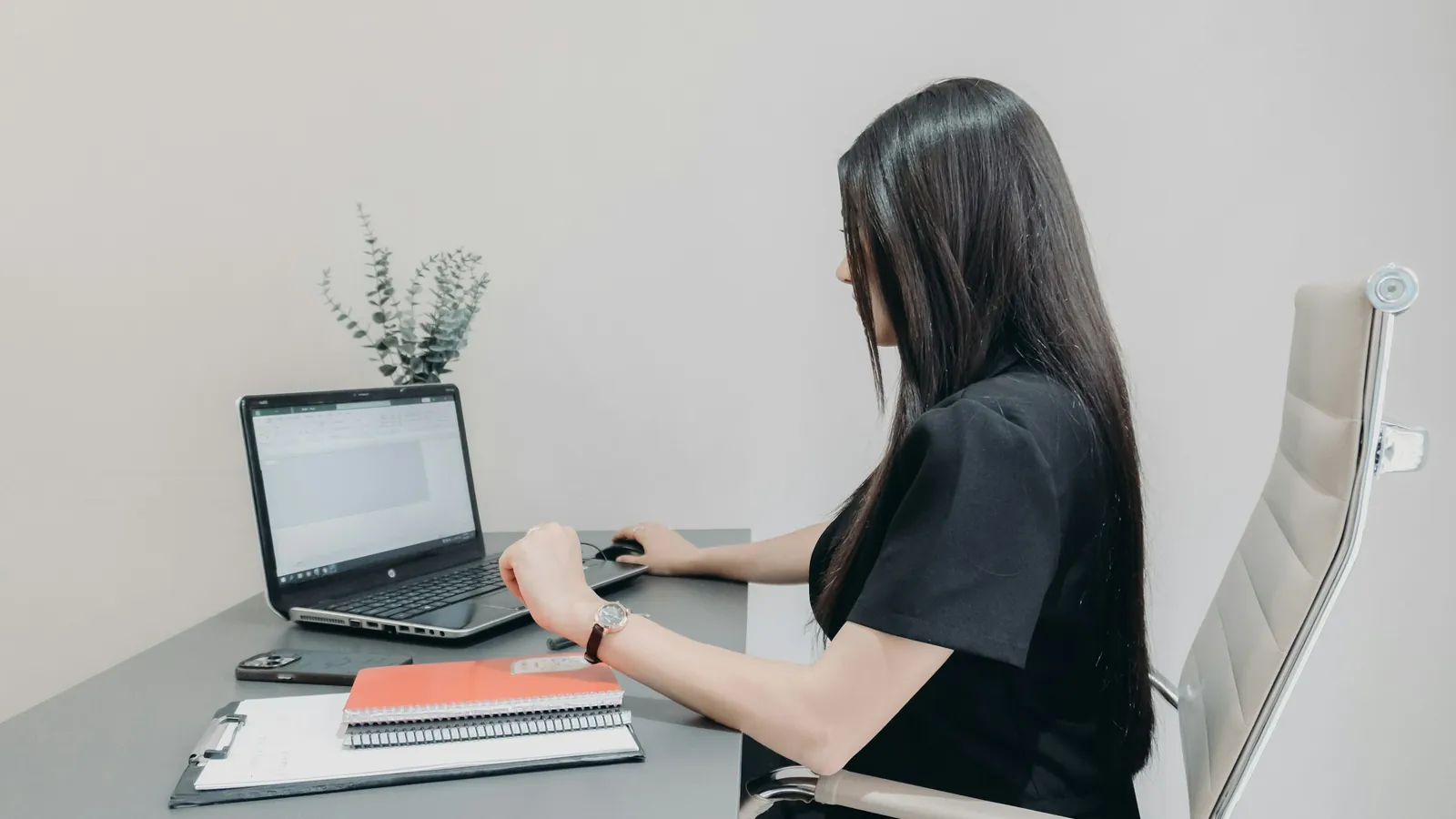
Is sitting the new smoking?
The slogan made great headlines. The data tell a calmer story: long hours of sitting carry a real but modest risk, far smaller than smoking, and how much you move changes it.
Read the articleSitting and desk work
-
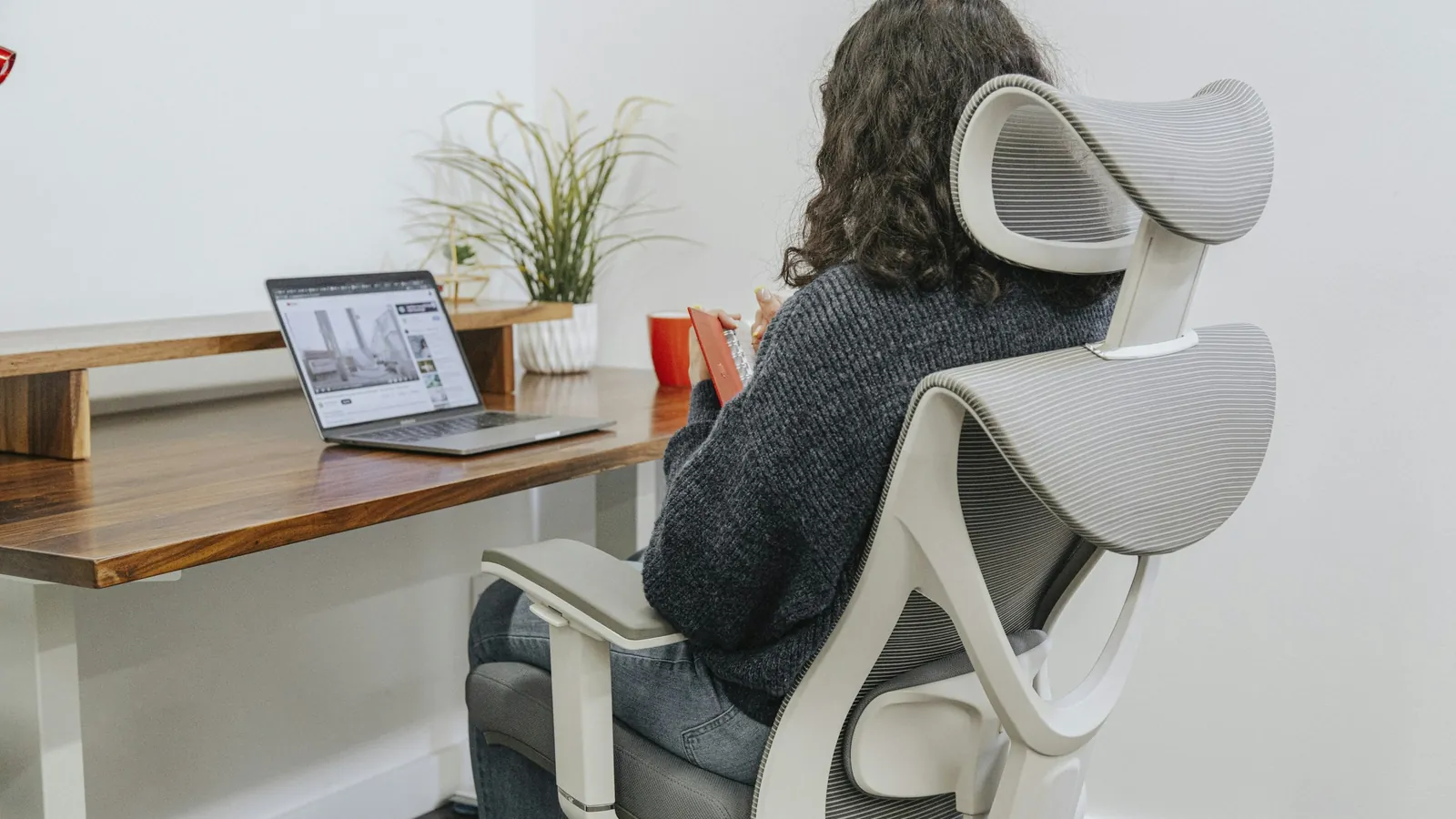
How much of your year do you spend sitting?
Add up the hours at a desk and you get weeks, not hours. What that does and doesn't mean for your back.
-
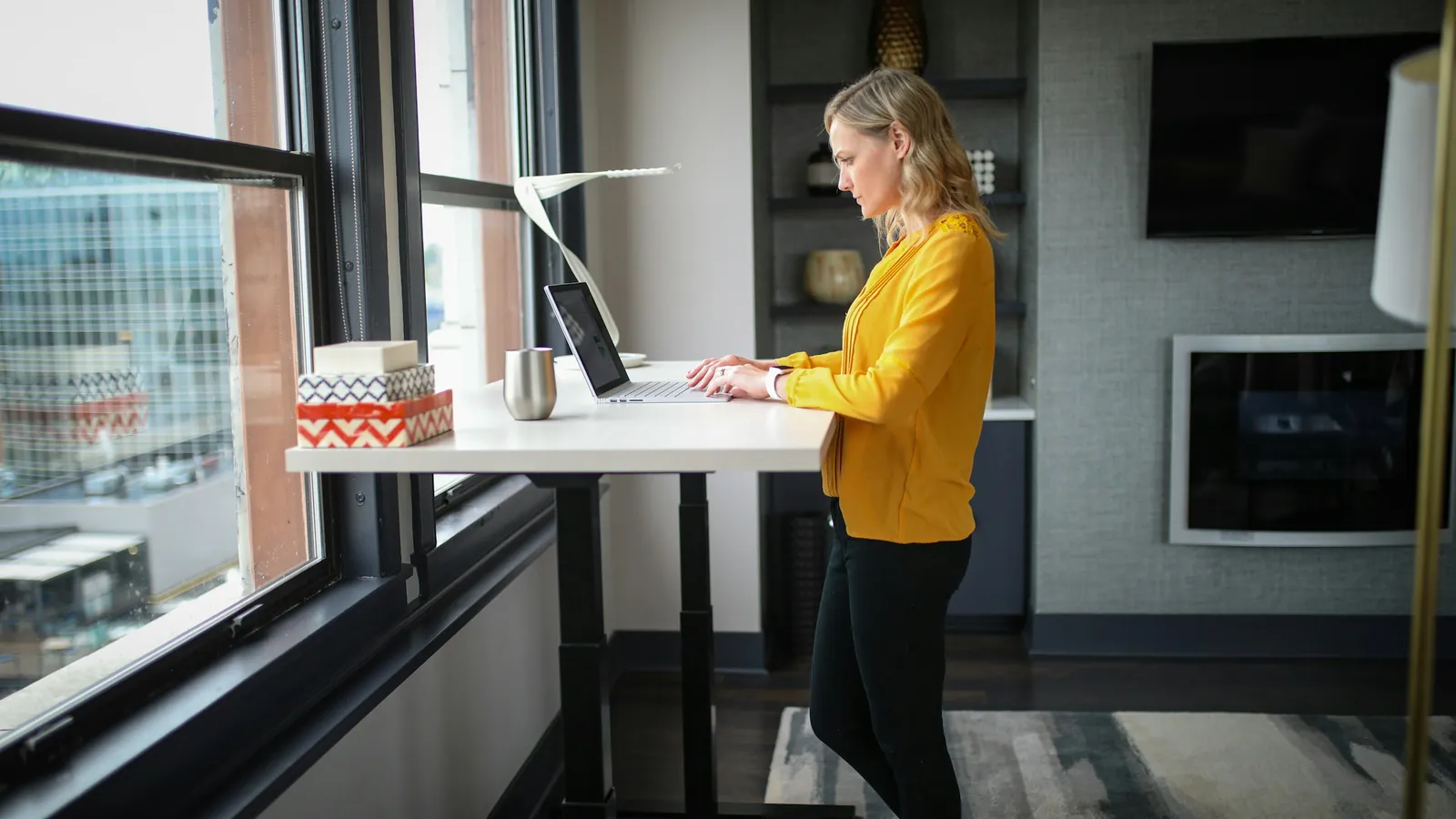
Are standing desks worth it?
A sit-stand desk can cut an hour or more of sitting from your day. It works best as a way to change position often, not as a reason to stand for hours. Here is what the studies found.
-

What are exercise snacks, and do they work?
A minute of hard effort here and there sounds too small to matter. The studies are small too, but they are more interesting than you might expect.
-
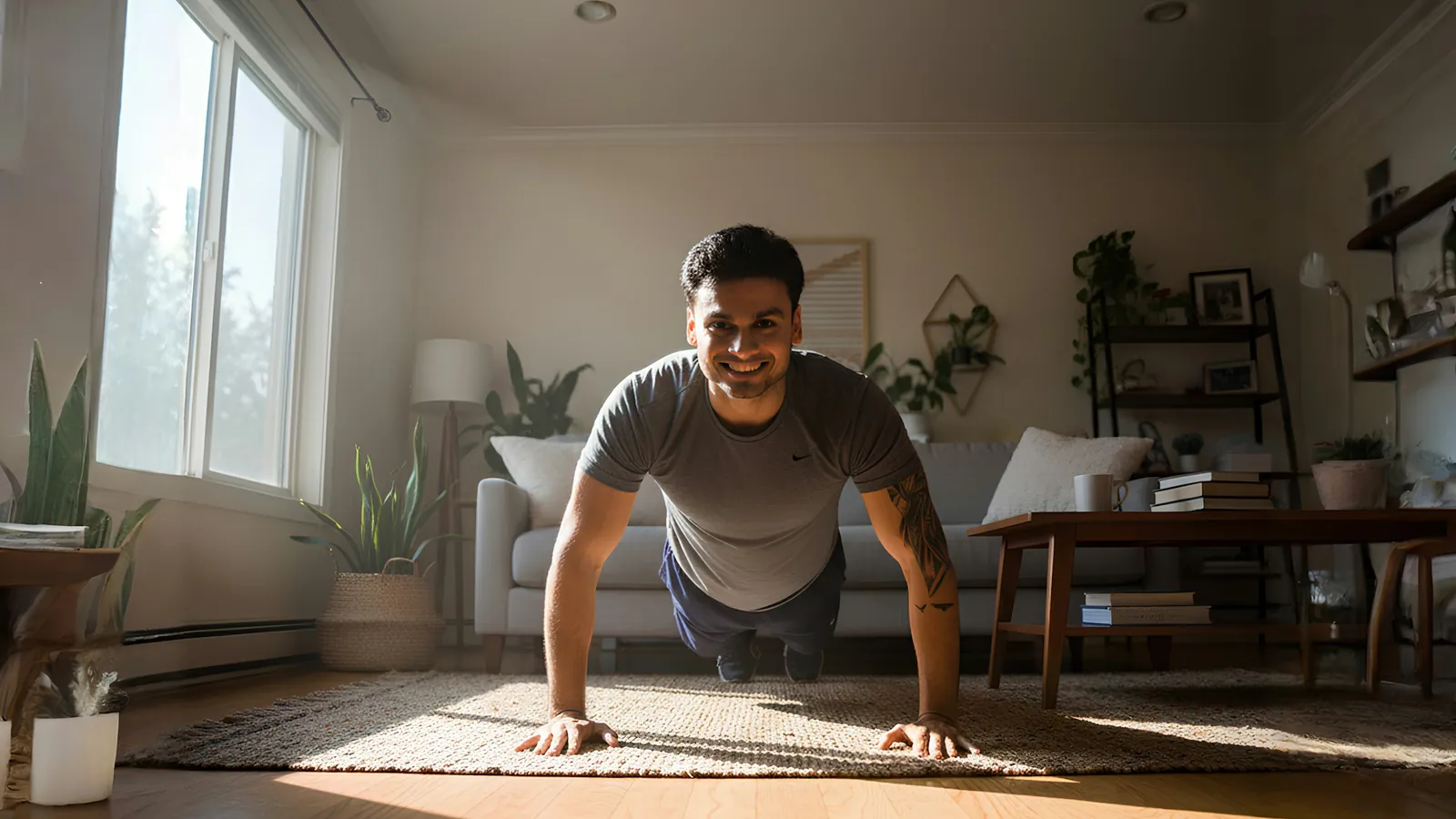
Is two minutes of exercise enough?
For the neck and shoulders, one well-known trial says yes. For the lower back, the honest answer is more careful.
-
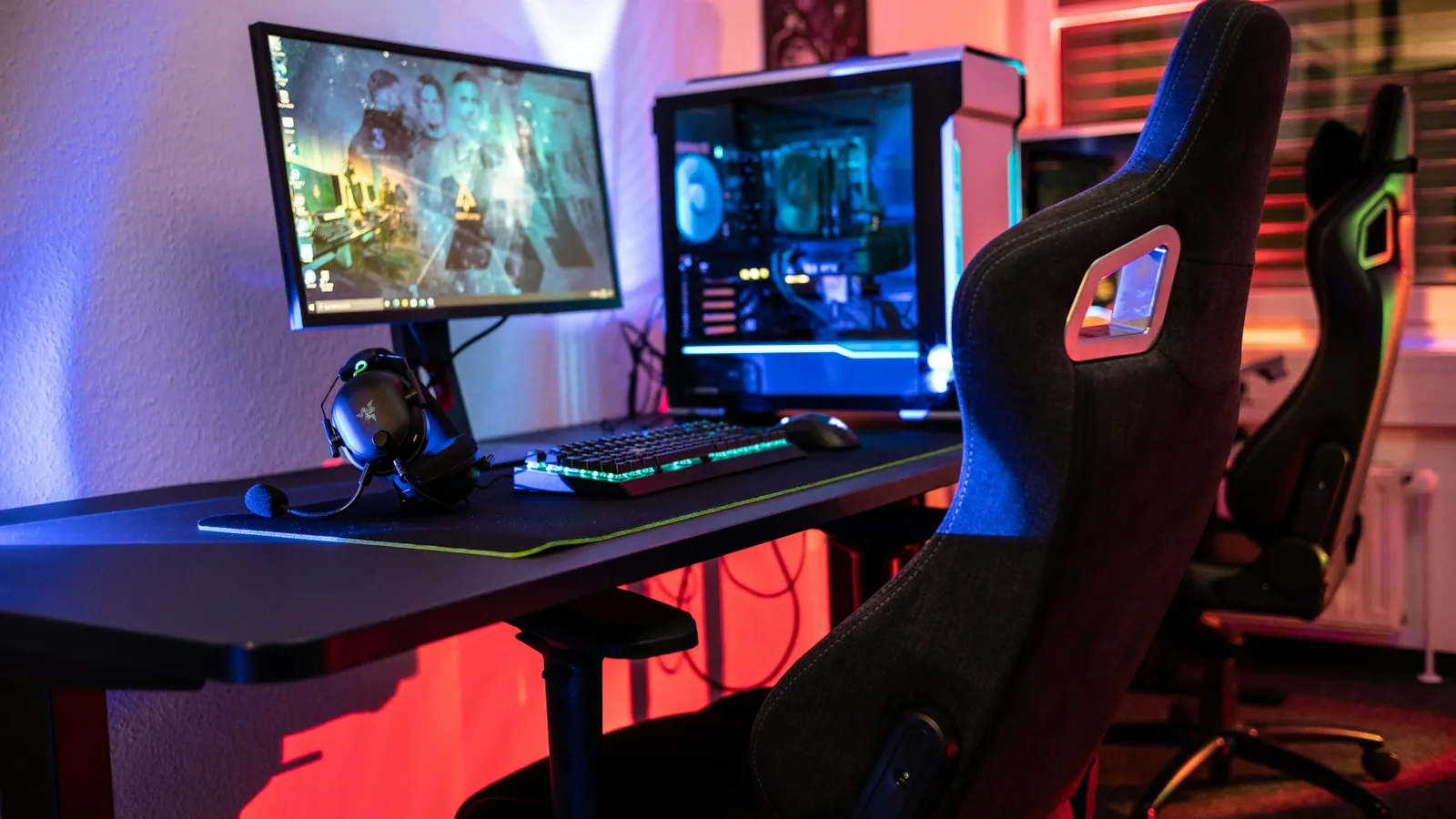
Is a gaming chair good for your back?
The racing-seat look is not what decides it. Here is what the research and workplace guidance say actually matters in a chair, gaming or office.
-

Is a vertical mouse better for your wrist?
A vertical mouse turns your hand onto its side and changes how the forearm works. Whether that prevents wrist pain or carpal tunnel syndrome is much less certain.
Neck pain and headaches
-
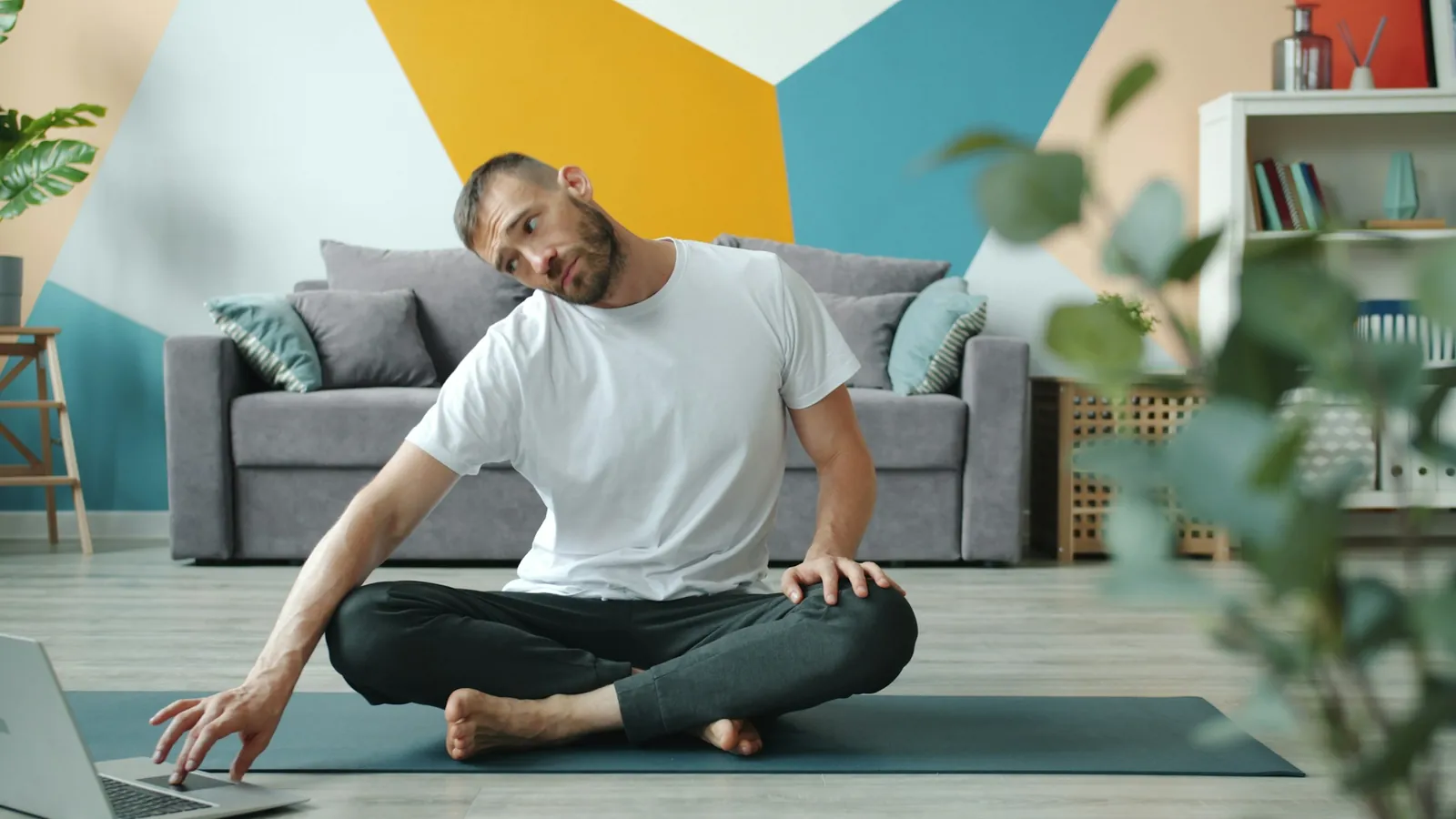
Do stretches help neck pain from desk work?
Stretching has helped office workers in several trials, but the strongest evidence is for strengthening, or for a mix of the two. Here is what the studies found, and how far they go.
-
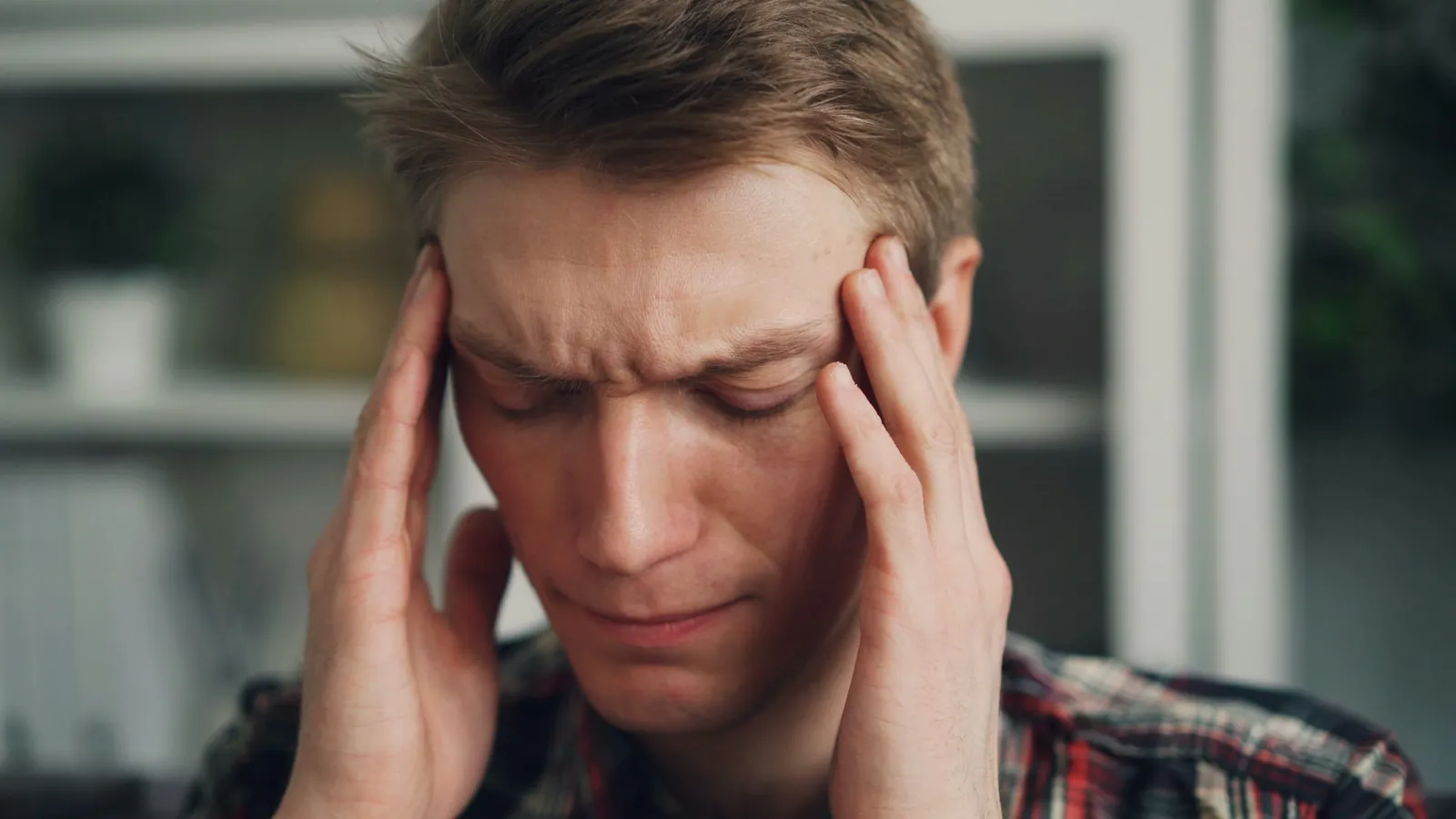
Can neck pain cause headaches?
Sometimes, yes. A headache can start in the neck, but far more often neck pain and headache simply turn up together. Here is how they differ, what helps, and when to get help.
-

Is "text neck" real?
The famous 60-pound figure comes from a computer model. When researchers measured how people actually hold their phones, the angle did not predict who had neck pain.
-
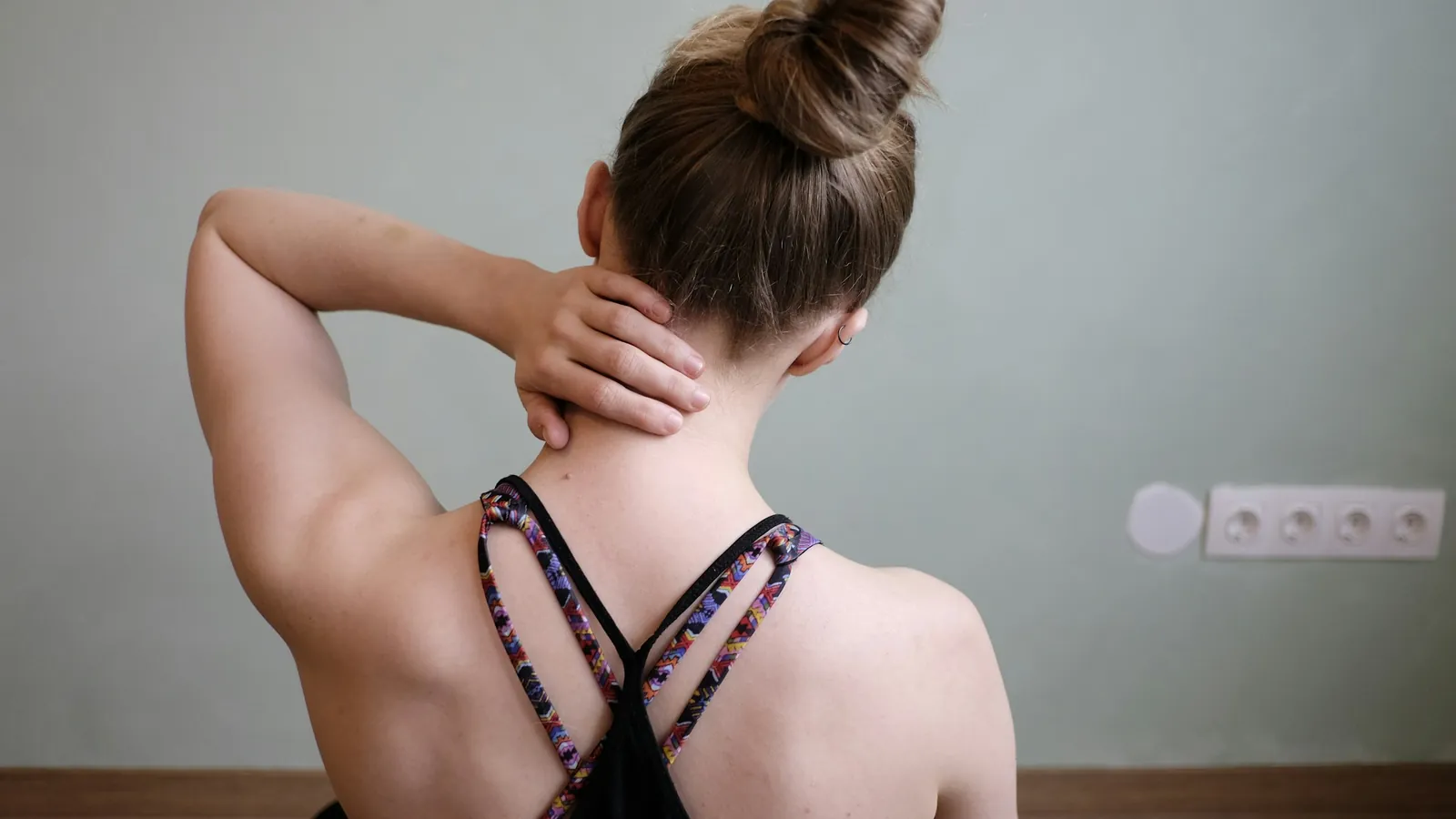
Is it bad to crack your neck?
The pop is a gas cavity forming inside a joint, and it is not known to cause arthritis. Forcing your own neck to crack is a different matter: serious harm is rare, but it happens. Here is what the evidence shows.
-
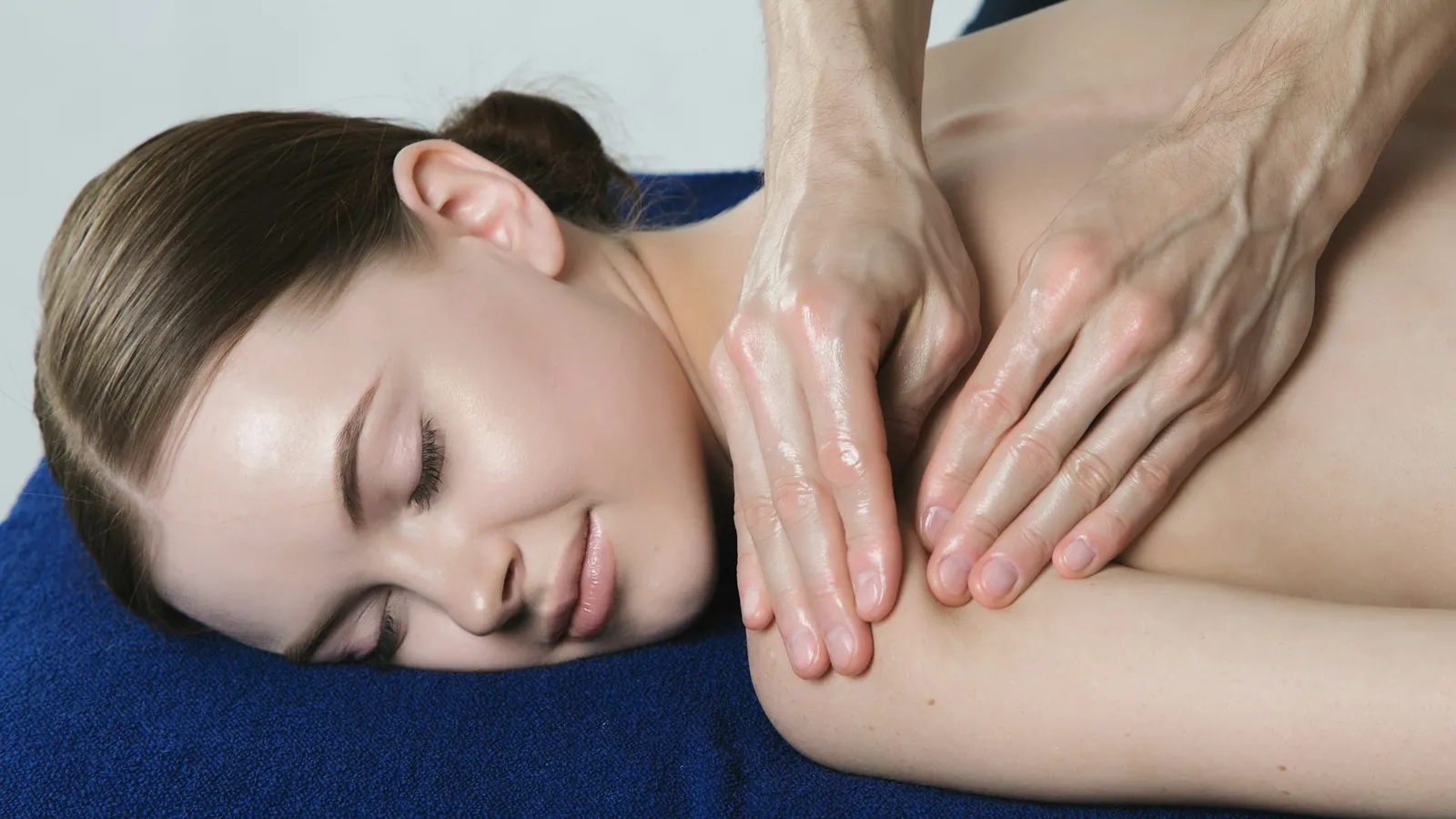
Does massage help neck pain?
Massage can ease a sore neck for a while, and trials back that up. The harder questions are how long the effect lasts and whether it does more than exercise.
Back pain
-
Will back pain go away on its own?
Often it eases. Often it also comes back. What the long-term studies show, and what lowers the odds.
-

Heat or ice for back pain?
Heat has the better evidence, though the benefit is small and short-lived. Cold has barely been tested. Here is what the trials found, how to use either safely, and why moving matters more.
-

Can stress cause back pain?
Stress tightens muscles in the lab and makes back pain more likely to linger. The evidence that it starts back pain on its own is weaker. Here is what the studies found.
-

Is walking good for back pain?
For most people, yes. Walking beats doing nothing, holds its own against some exercise classes, and in a large 2024 trial it pushed back the next flare-up. Here is what the studies found.
-

Why does my back hurt in the morning?
Most morning back pain is ordinary stiffness after hours of lying still. One pattern is different and worth a doctor's look. Here is what the research says about both.
Stretching and exercise
-
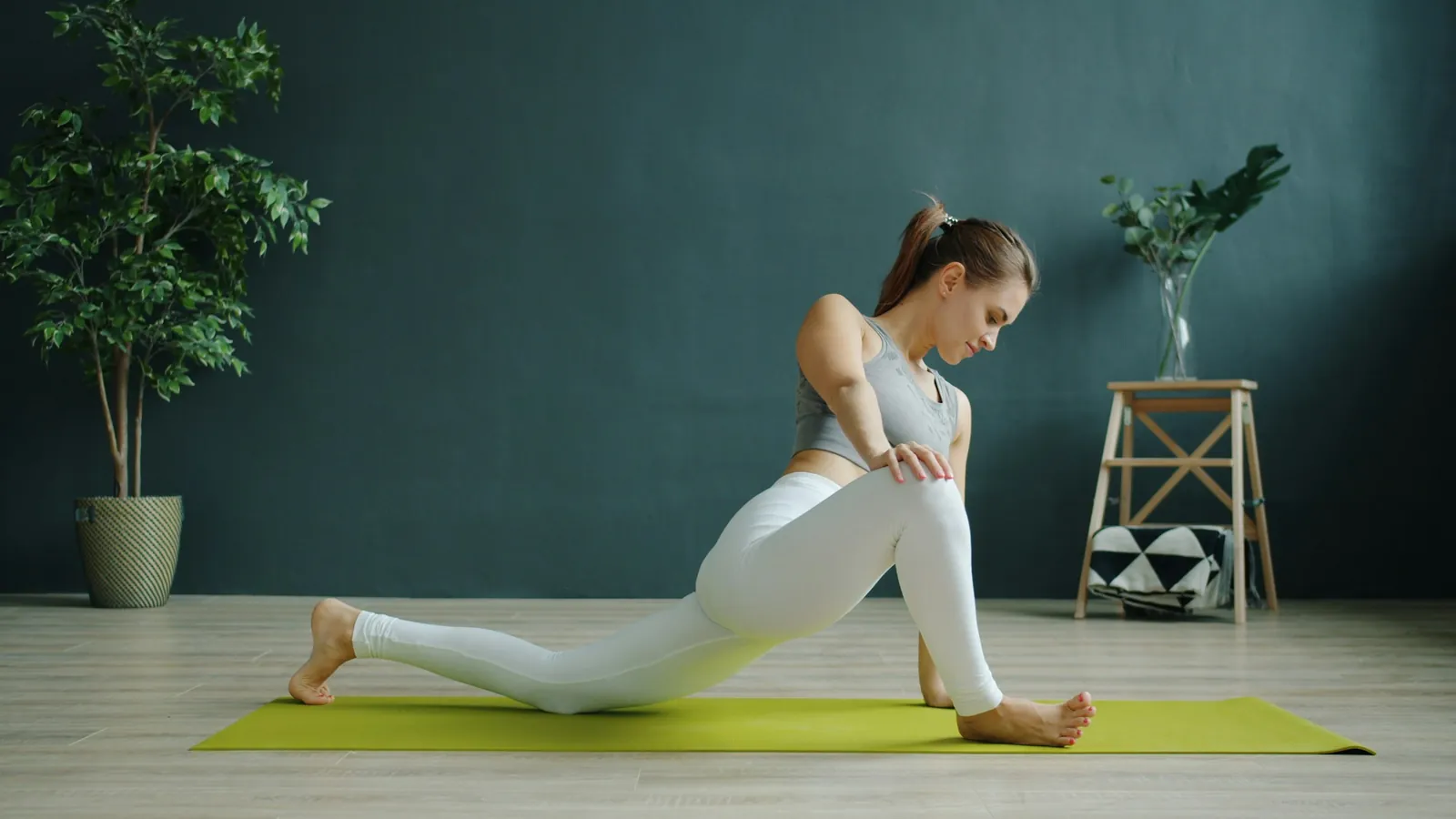
How often should you stretch?
At least two days a week for flexibility, most workdays if your neck or back is the reason, and short breaks through the day. Here is what that rests on, and what stretching really changes.
-
Is stretching or strengthening better for neck and back pain?
For the neck, strengthening has the stronger evidence. For the lower back, the type of exercise matters less than doing some. Here is what the trials found, and why the honest answer is usually both.
-
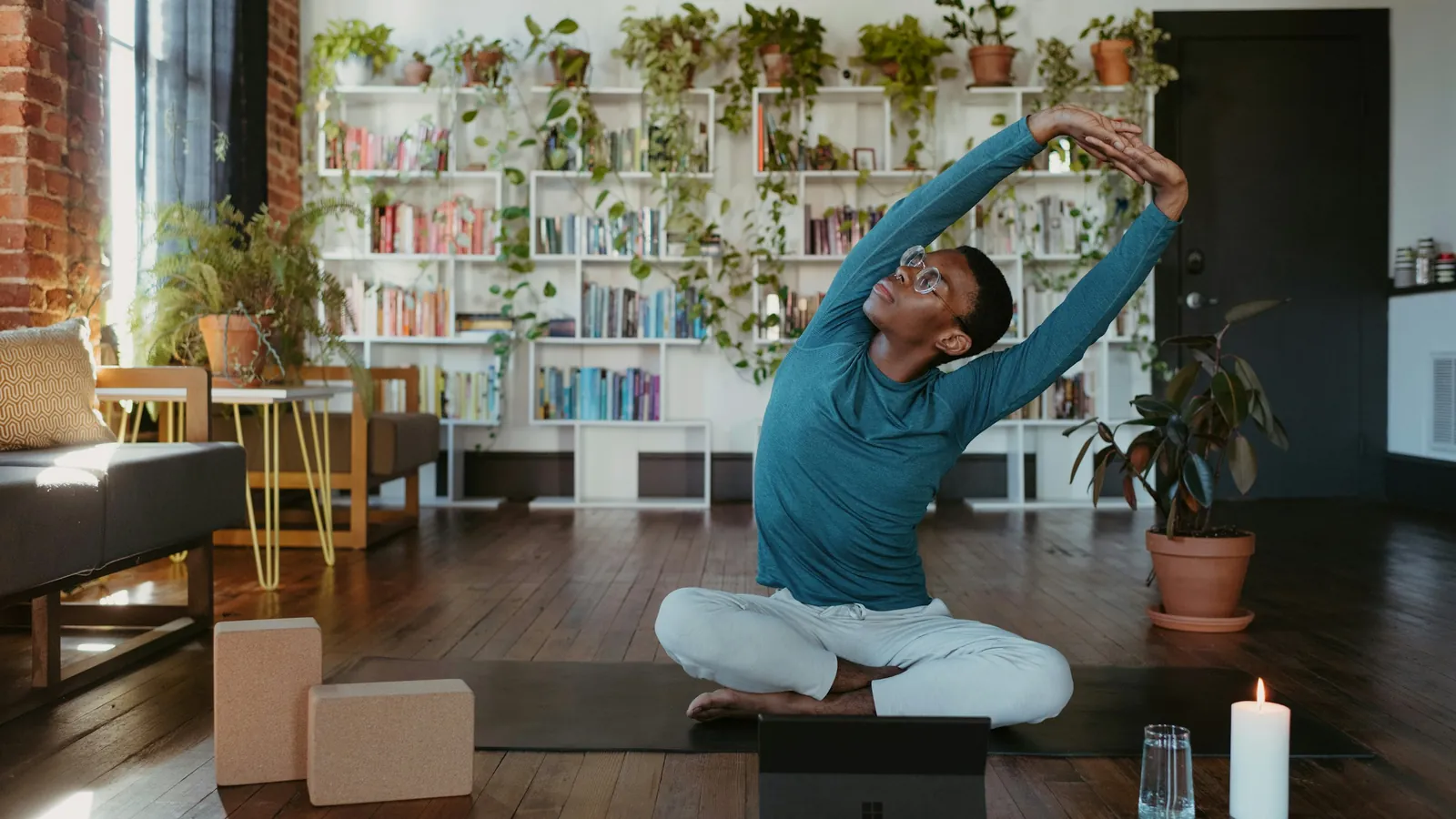
Is yoga good for back pain?
Yoga helps long-term lower back pain about as much as other back exercise, and a little more than doing nothing. The average effects are modest, and there are a few safety points worth knowing.
-
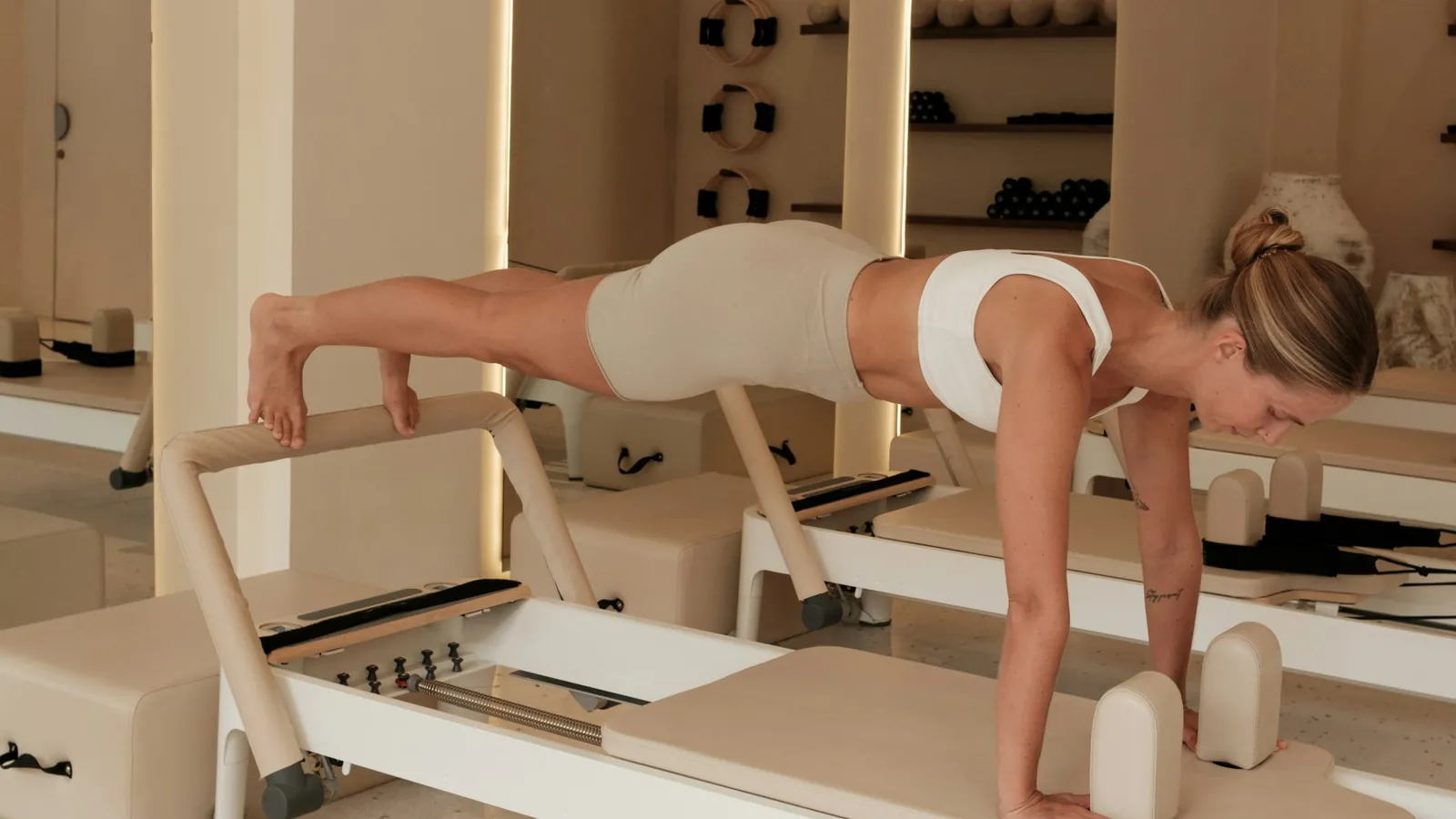
Does Pilates help back pain?
Pilates is one of the most studied types of exercise for long-term lower back pain. In trials it does about as well as other good exercise, and the posture claims rest on thinner evidence.